
What is sensorineural hearing loss?
Sensorineural hearing loss, also commonly known as “nerve loss” or “nerve deafness,” is the most common type of hearing loss accounting for more than 90 percent of hearing loss in people who wear hearing aids.

Sensorineural hearing loss, also commonly known as “nerve loss” or “nerve deafness,” is the most common type of hearing loss accounting for more than 90 percent of hearing loss in people who wear hearing aids.

Hearing loss can have a significant impact on an individual’s daily life and communication abilities. It can occur in one ear while the other remains unaffected, resulting in a condition known as unilateral hearing loss.

Hearing loss is the loss of hearing in one or both ears, ranging in degree from mild, moderate, severe to profound. Hearing loss is very common, as it’s the third most common physical condition after

Cancer is a disease that affects millions of people around the world. It occurs when cells in the body begin to grow uncontrollably, forming tumors. These tumors can be benign, meaning they are not cancerous,
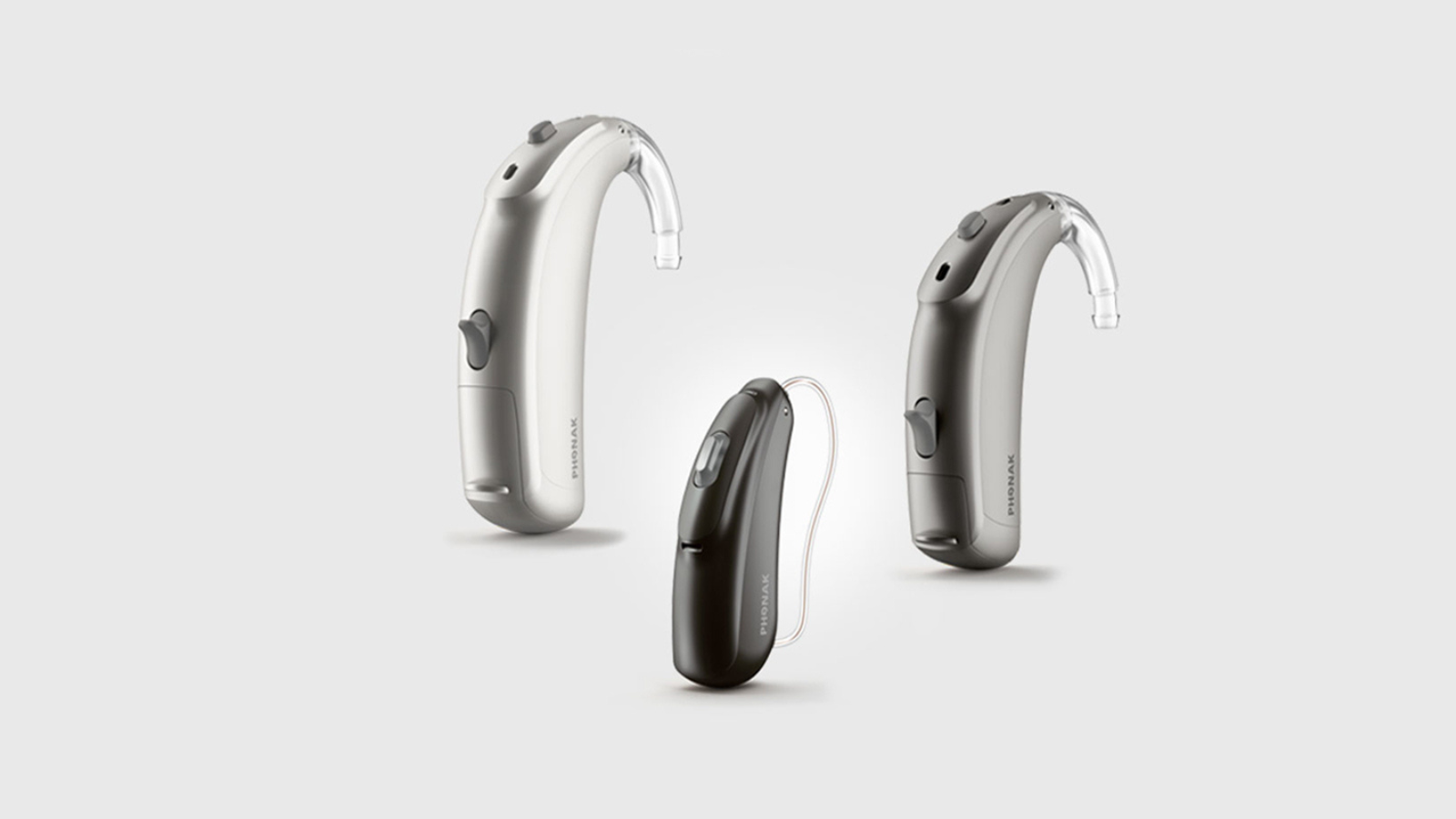
The auditory pathway is a complex network of structures that lead from the outer ear canal to the auditory cortex in the brain. An injury or pathology occurring anywhere along the auditory pathway could lead

The Center of Disease Control and Prevention (CDC) defines diabetes as, “a chronic (long-lasting) health condition that affects how your body turns food into energy.”4 After consuming food, the body breaks it down and turns
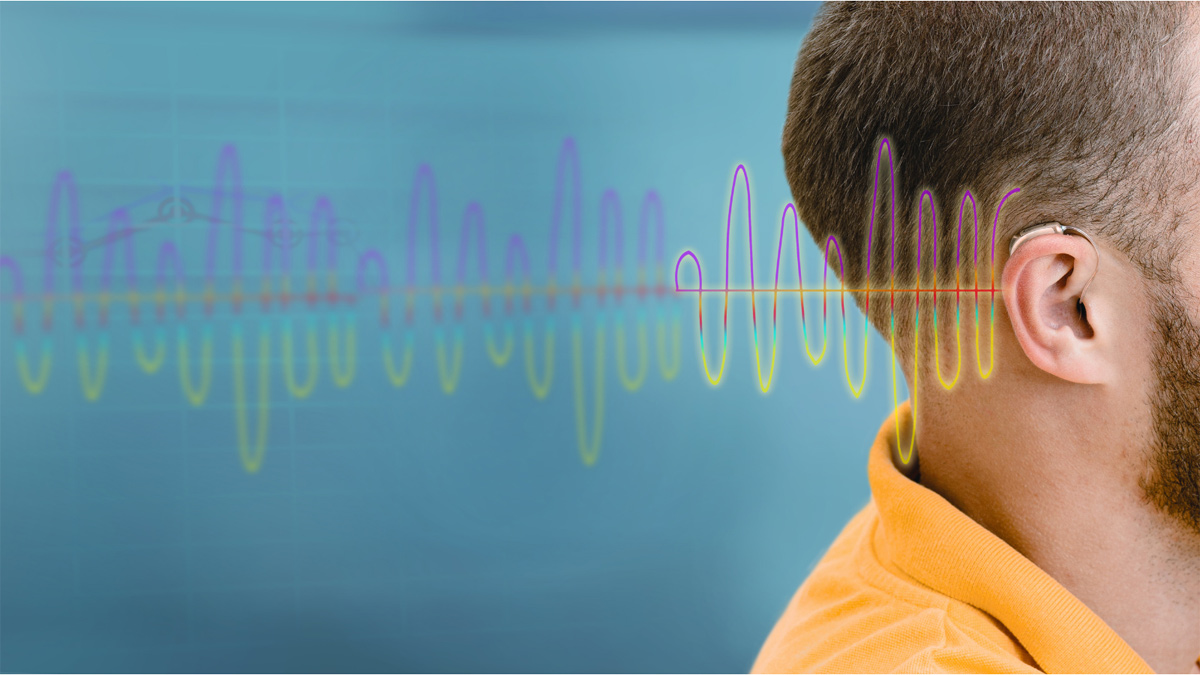
Hearing loss is unique to each individual. There can be varying causes, configurations, degrees of severity and types. There are some known commonalities for those that acquire hearing loss. Hearing loss is associated with our

Of every 1,000 live births, two to three children are born with permanent bilateral hearing loss, and the majority of children will experience a period of hearing loss related to ear infections prior to the
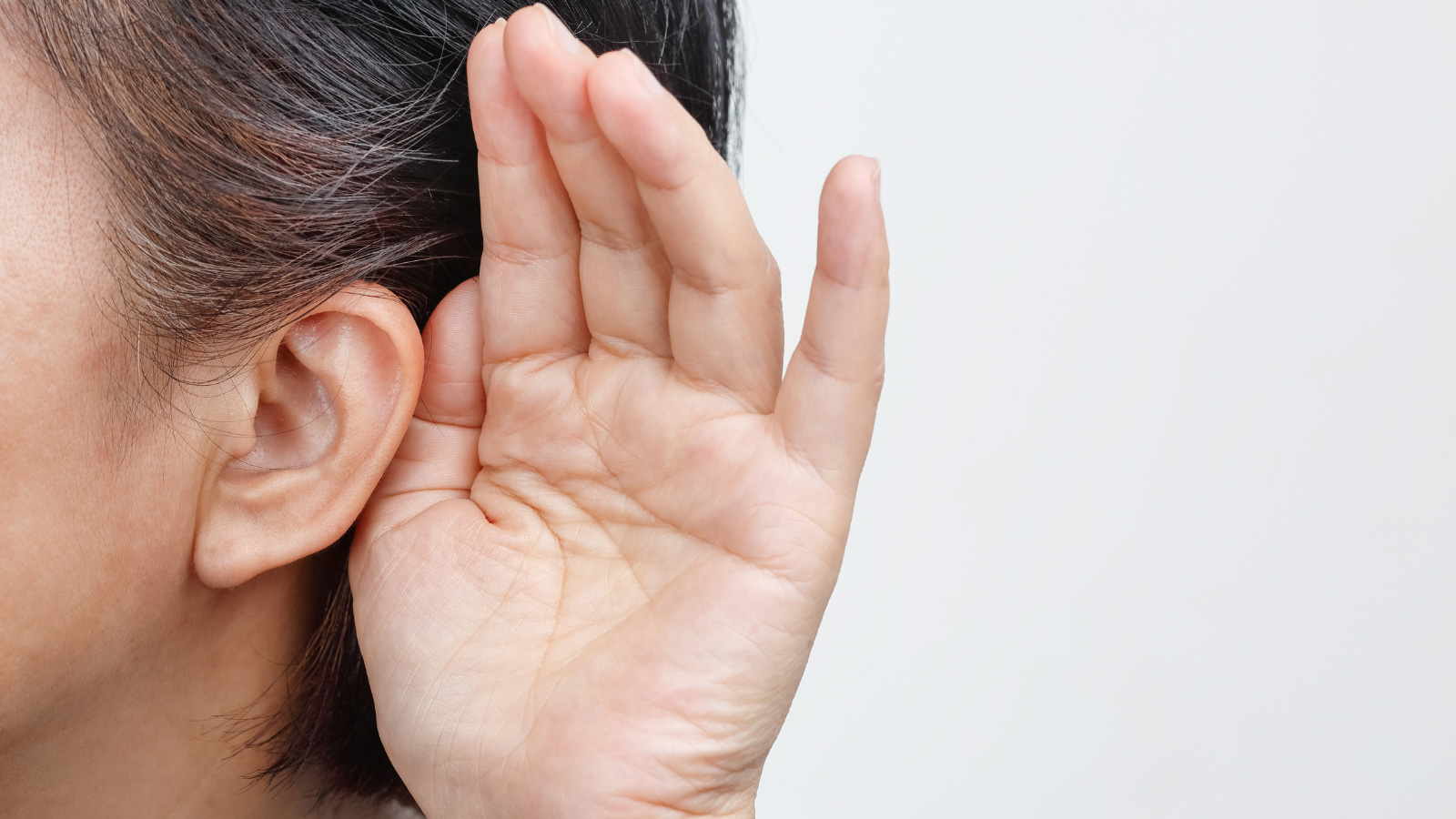
Unilateral hearing loss, or hearing loss in only one ear, is one form of hearing loss that people may experience at any time across the lifespan. While people with unilateral hearing loss may appear to

Although hearing loss impacts almost 50 Million people in the U.S. and is listed by the Department of Health and Human Services as the 3rd most common chronic disorder affecting older adults it is not

There are three types of peripheral hearing loss in children. Before discussing them, it will be helpful to understand a brief overview of the human auditory system as a whole. In general, there are two

Congenital hearing loss, or hearing loss that is present at birth, is one of the most prevalent chronic health conditions in children. Some risk factors for hearing loss in newborns include genetics, prematurity, NICU stays,